
Moisture-focused inspection
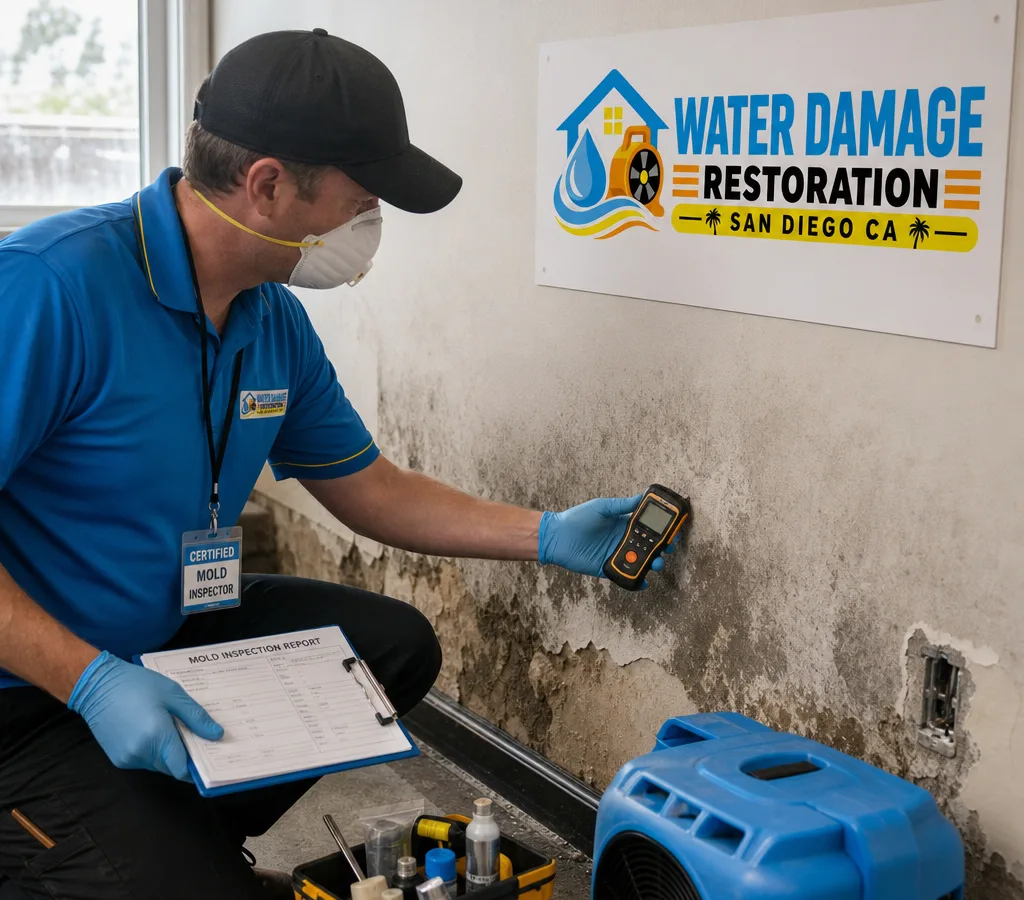
We use moisture meters and targeted checks around common leak points (bathrooms, kitchens, laundry, HVAC closets, windows, and crawlspaces) to identify the conditions that allow growth.
Serving San Diego, California & surrounding areas
24/7 Emergency Response
Mold inspection · San Diego, California
Get a clear answer on what you are dealing with, where it is coming from, and what to do next. Our certified inspectors provide a free consultation and straightforward findings you can use to make decisions.
Find the moisture source first
If you can smell a musty odor, see suspicious spotting, or you have had a recent plumbing leak, roof leak, or humidifier or AC issue, it is time to get a professional opinion. Mold growth is usually a moisture problem first, and a good inspection focuses on finding the source, not just pointing at what is visible.
Many properties in San Diego include older coastal housing and canyon-adjacent neighborhoods where airflow, marine moisture, and intermittent leaks can create hidden damp pockets in wall cavities, under flooring, or around windows. Homes and condos in areas like Mission Valley and along the I-5 corridor also commonly have shared walls, stacked plumbing, or HVAC closets where a small leak can affect multiple units.
Our team at Water Damage Restoration San Diego CA handles mold inspections with the same mindset a careful buyer, property manager, or homeowner needs: confirm what is present, map where moisture is active, and document the results so the next steps are clear.
Clear findings, practical guidance
We use moisture meters and targeted checks around common leak points (bathrooms, kitchens, laundry, HVAC closets, windows, and crawlspaces) to identify the conditions that allow growth.
You will receive a practical summary of where suspect areas are located, what materials look impacted, and what the next step should be (further testing, drying, containment, or repairs).
Air and surface sampling can help confirm concerns, compare indoor and outdoor levels, or document conditions for a landlord, buyer, or insurer. We recommend it when it will change decisions.
We explain what the findings mean, what can wait, and what cannot. If a space needs containment, we will say so directly.
We work cleanly and carefully around furniture, closets, and living areas, and we pay attention to high-risk spaces like nurseries, bedrooms, and return-air pathways.
Look beyond visible spotting
A thorough mold inspection is part detective work, part building science. The goal is to locate moisture, identify likely growth sites, and understand how air moves through the home or unit.
We typically focus on:
If you are also dealing with a recent leak or damp building materials, starting with water damage restoration in San Diego often prevents mold from becoming a bigger project later. Drying and moisture control are the foundation; the inspection tells you what needs attention now.
Inspect, document, decide
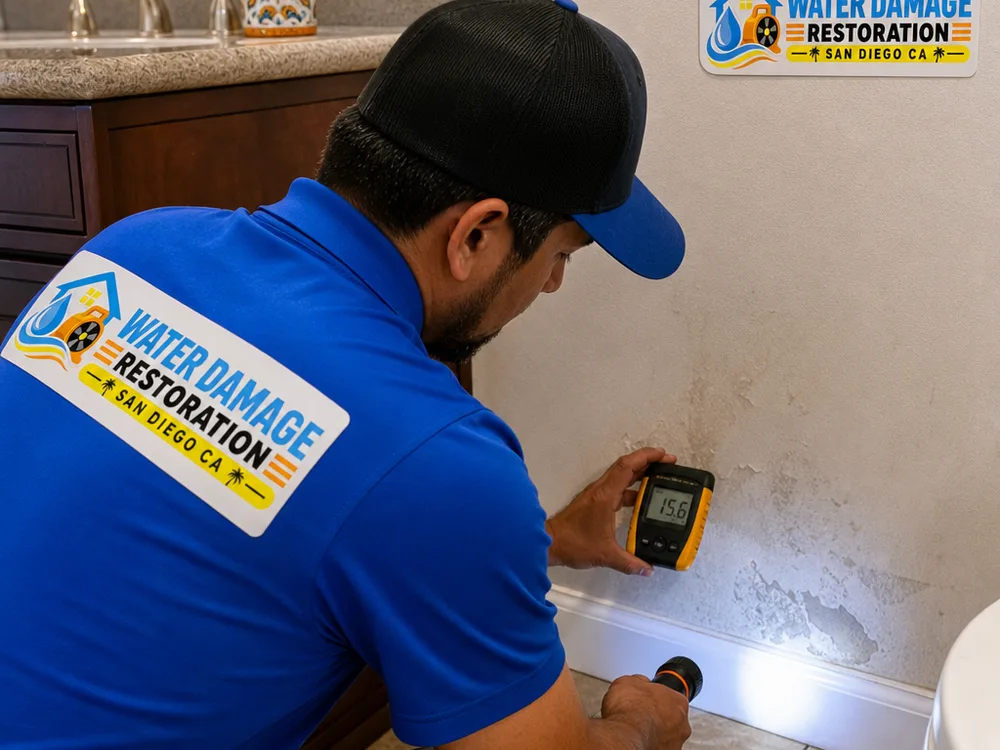
We ask where you have noticed odor, staining, health concerns, or a past leak. For rentals and condos, we also ask about adjacent units and any shared plumbing history.
We inspect likely moisture pathways and take readings at targeted locations. When safe and appropriate, we check accessible attic, crawlspace, and HVAC areas.
If sampling is warranted, we explain what type (air, surface, or both) and what it can and cannot prove. The goal is decision-grade information, not unnecessary lab work.
You get a clear summary of suspected areas, contributing moisture sources, and the recommended next action. If remediation is needed, we outline practical containment and cleanup considerations.
Understand the inspection scope
Most mold inspections in San Diego typically range from about $250 to $650, depending on the size of the property, how many areas need to be checked, and whether testing is included. A small condo inspection is often on the lower end, while larger homes or multi-area investigations cost more.
Price changes with access (attic or crawlspace), the need for air and surface samples, and how much moisture mapping is required to trace the source. The exact cost is confirmed during the inspection and based on the scope you actually need.
Start with clear evidence
If you are searching for free mold inspection San Diego help, start with a free consultation so you can understand what is urgent, what is suspected, and what evidence is needed before any cleanup begins.
Request Emergency ServiceAnswers before testing or cleanup
We provide a free consultation to review your situation, symptoms, and the best next step, and then we can schedule an on-site inspection if it is warranted. The consult helps avoid paying for testing that will not change the plan, especially when the issue is clearly tied to an active leak or wet materials.
A mold inspector identifies suspected growth conditions, moisture sources, and whether sampling or containment is needed, while remediation is the physical work of removing or cleaning impacted materials under proper controls. Many clients use the inspection to decide whether remediation is necessary and to define the scope before any work starts.
A good inspection is designed to locate the moisture source or at least narrow it to a specific building system such as plumbing, roof intrusion, window leakage, or HVAC condensation. Moisture readings, visible patterns, and targeted checks around fixtures often provide the strongest clues, because mold is usually a symptom of persistent dampness.
Air testing can help compare indoor conditions to outdoors and support decisions when growth is suspected but not visible, while surface testing can help confirm whether a visible spot is mold and what type of growth it may be. Many situations do not require both; the right choice depends on whether results will change the remediation plan or provide needed documentation for a buyer, landlord, or insurer.
Yes. In multi-unit buildings, we pay close attention to shared plumbing walls, units above and below, and HVAC or laundry areas where small leaks can travel. If the findings suggest an adjacent-unit source, we will document what we can observe from your side so you have a clear basis for the next conversation with management or the HOA.
Scheduling depends on current demand, but we prioritize situations involving active moisture, visible growth spreading, or strong odor in living spaces. If you suspect a current leak, addressing moisture quickly matters because wet drywall, baseboards, and cabinets can deteriorate and become harder to salvage.
Avoid cleaning or painting suspected areas right before the visit, and try not to run air purifiers in the immediate area for several hours if you expect air sampling. If possible, clear access to under-sink cabinets, HVAC closets, and any stained or musty areas so we can take moisture readings without delays.
Yes, we can guide you from inspection findings into a practical plan that prioritizes moisture correction, appropriate containment, and safe cleanup. When water is part of the story, many clients start with stabilization and drying first, then address any remaining impacted materials once conditions are confirmed.
Get clarity before cleanup begins
Tell us what you are seeing or smelling and where it is happening. We will start with a free consultation, then confirm whether an on-site inspection, sampling, or moisture correction is the right next step for your property.